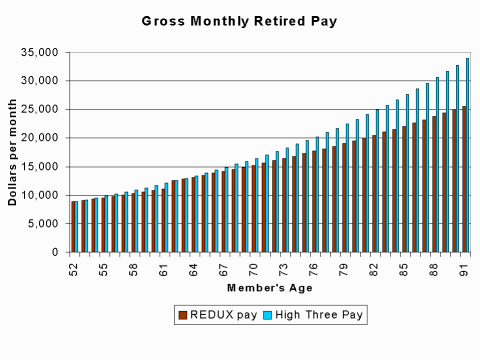
This first chart
depicts the estimated gross monthly retired payments under both
retirement options. Taxes and participation in the SBP are not
considered. The REDUX jump reflects the cost-of-living catch up
adjustment and multiplier re-adjustment at age 62. In comparing your
options, focus on the differences on the level of retired pay. You need
to determine whether your $30,000 CSB at the 15th year will make up
for these reductions.
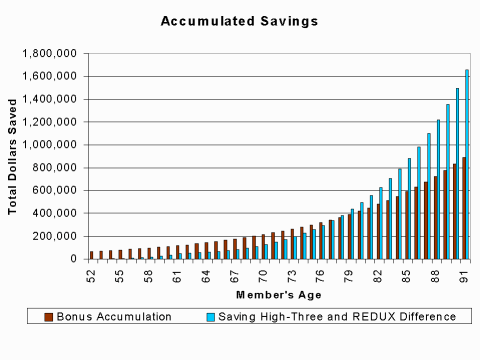
In the following
chart, the amounts shown are the accumulation of after-tax savings from
electing the $30,000 CSB at year 15 compared to the accumulation from
saving the after-tax difference in the High-36 (High Three Pay) retired
pay over the REDUX retired pay. In this case, the savings of extra
retired pay in the High-36 option surpasses the accumulated savings
from the CSB when the member is 78. This cross-over would happen
earlier if after tax earnings from the mutual fund/savings were much
less than 8 percent and would happen later if higher than 8 percent.
These results will
vary depending on your choices and the assumptions. The above example
is only a simple comparison of the essential differences between
electing CSB/REDUX or accepting High-36. See the Considerations section for a more in-depth discussion on factors that will affect the results depicted.